
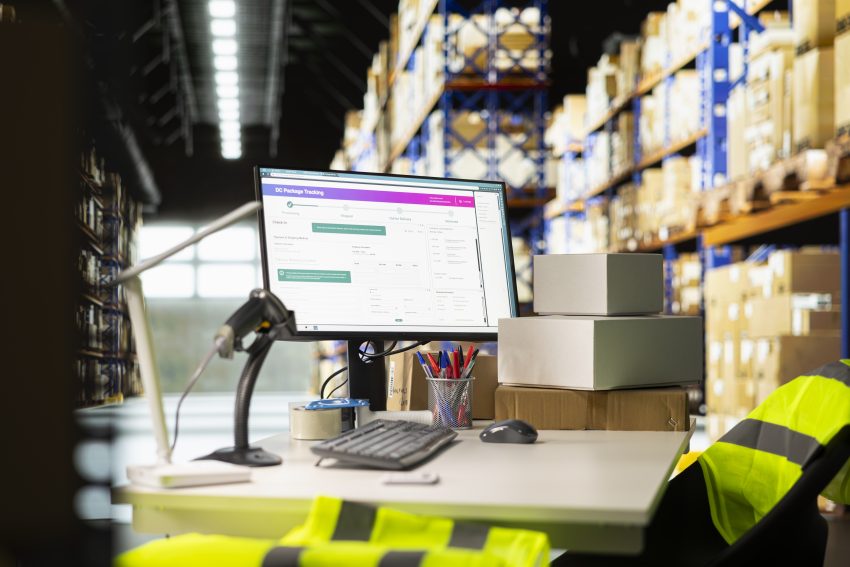
In manufacturing plants, EPC projects, and large warehouses, material movement is the backbone of operations. When raw materials, components, and finished goods flow smoothly from procurement to production and then to dispatch, orders are met on time, machines never sit idle, and costs stay under control. A Material Management System is what makes this seamless movement possible.
Streamlining Procurement and Receiving
A smooth movement starts before the material even reaches the gate. A Material Management System:
Automates purchase requisition and Gate Pass creation based on material needs.
Tracks supplier lead times and delivery schedules so materials arrive when the shop floor is ready.
Integrates with gate‑pass or material‑gate systems to auto‑create receiving entries as vehicles enter the premises.
Because every incoming consignment is logged in the system, there is no “lost material”, no duplicate entries, and no manual reconciliation at the warehouse or gate.
Enabling Seamless Movement Orders
Movement of material across sites, workshops, or warehouses is no longer a verbal instruction; it becomes a processed order. A Material Management System:
Generates material movement orders (MR orders, transfer orders, gate‑pass‑linked movements).
Assigns tasks to operators, vehicles, and gate‑security staff with clear timelines.
This real‑time visibility reduces search time, prevents double‑handling, and ensures that material reaches the right work order or project site on time.
Integrating Gate and Field Movement
At Indian factories and construction sites, many delays occur at the gate. A modern Material Management System integrates with Material Gate Pass Management and field scanners so:
Every gate entry or exit is linked to a movement order.
Third‑party vehicles, contractors, and internal trucks are tracked against approved material movements.
Operators can scan barcodes or QR codes at bays, loading points, and vehicles to confirm loading/unloading.
This integration converts physical movement into digital events, making audits, reconciliations, and compliance reporting far simpler.
Reducing Downtime and Improving Productivity
Studies in manufacturing and construction show that poor material availability is a major cause of idle operators and delayed projects. A Material Management System directly tackles this by:
Ensuring raw materials are available at the right time and in the right quantity at the production line.
Reducing emergency procurements and last‑minute search time for components.
Shortening handling time through better planning of receiving, storage, and dispatch schedules.
When material movement is seamless, craft labor productivity improves, machines run closer to full capacity, and project timelines get more predictable.
Supporting Compliance and Reporting
In India, factory audits and project reviews often demand clear records of material inflow, outflow, and stock reconciliation. A Material Management System provides:
Digital logs of every transaction: GRN, issues, returns, write‑offs, and inter‑unit transfers.
Dashboards and reports on stock‑ageing, turnover, and material‑movement trends.
Audit‑ready documentation for statutory bodies, insurance, and project‑based evaluations.
This compliance‑ready data turns material movement from a chaotic physical process into a transparent, traceable, and reportable workflow.
By putting a Material Management System at the core of operations, Indian plants and project sites can move from reactive, paper‑based movement to planned, digital and seamless material flow—making the keyword phrase a reality: a Material Management System that truly enables smooth, end‑to‑end material movement.
Streamline your Material Movement today