
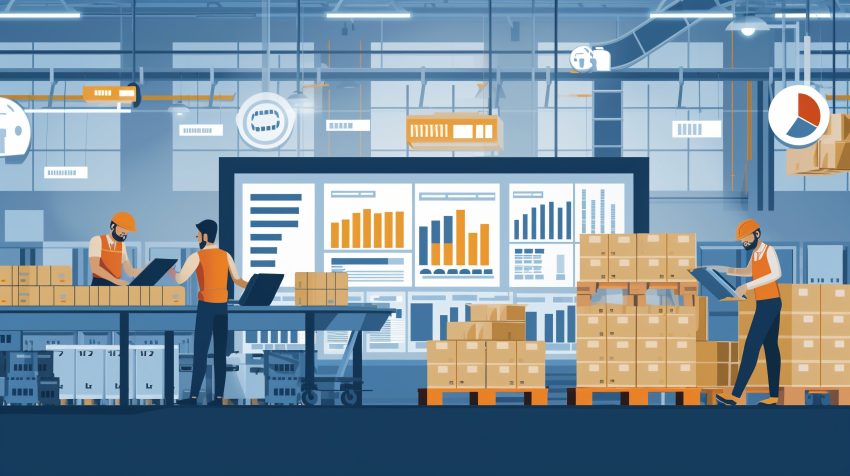
A Material Management System is more than just inventory tracking software — it’s a comprehensive framework that governs how raw materials, components, and finished goods move through your supply chain, from procurement to production to delivery. In this blog, we’ll explore what a Material Management System is, why it matters for manufacturing industries, its core features, and how to choose the right solution for your business.
What Is a Material Management System?
The primary goal of a Material Management System is to ensure that the right materials are available in the right quantity, at the right place, and at the right time — without excess stock tying up capital or shortages halting production lines.
Why Manufacturing Industries Need a Material Management System
- Overstocking or understocking of raw materials
- Production delays due to material shortages
- Increased carrying costs from excess inventory
- Poor visibility into material usage and waste
- Inefficient procurement cycles and vendor mismanagement
Implementing a Material Management System addresses these pain points by providing real-time visibility, automating repetitive tasks, and enabling data-driven decision-making across the entire material lifecycle.
Benefits of Implementing a Material Management System
- Reduced Operational Costs
By optimizing inventory levels and minimizing waste, a Material Management System directly reduces holding costs and material wastage, leading to significant savings over time.
- Improved Production Efficiency
With materials readily available when needed, production downtime is minimized, allowing manufacturers to meet delivery deadlines consistently.
- Enhanced Supplier Relationships
Automated procurement processes within a Material Management System foster better communication and reliability with suppliers, leading to more favorable terms and faster turnaround times.
- Better Decision-Making
Real-time data and analytics empower plant managers to make informed decisions regarding purchasing, production planning, and resource allocation.
- Regulatory Compliance
For industries with strict compliance requirements, a Material Management System ensures proper documentation and traceability, reducing the risk of penalties or recalls.
- Scalability for Growth
As manufacturing businesses expand, a cloud-based Material Management System can scale effortlessly, accommodating increased material volumes and multiple production facilities.
How to Choose the Right Material Management System
Selecting the right Material Management System depends on several factors specific to your manufacturing operations:
- Industry-Specific Requirements – Choose a system tailored to your industry, whether it’s automotive, textiles, electronics, or pharmaceuticals.
- Integration Capabilities – Ensure compatibility with your existing ERP, MRP, and accounting software.
- Scalability – Opt for a solution that can grow alongside your business needs.
- User-Friendly Interface – A simple, intuitive dashboard reduces training time and improves adoption across teams.
- Cloud vs. On-Premise – Cloud-based Material Management Systems offer flexibility and remote accessibility, while on-premise solutions may suit businesses with strict data security requirements.
- Vendor Support and Training – Reliable customer support and comprehensive training resources are essential for smooth implementation.
Best Practices for Successful Implementation
- Conduct a thorough needs assessment before selecting a Material Management System vendor.
- Involve cross-functional teams — procurement, production, and warehouse staff — in the planning process.
- Start with a pilot program to test the system on a smaller scale before full deployment.
- Invest in employee training to ensure smooth adoption and minimize resistance to change.
- Continuously monitor and optimize system performance using built-in analytics tools.
The Future of Material Management in Manufacturing
Manufacturers who invest in advanced Material Management Systems today are positioning themselves for long-term competitiveness in an increasingly digital and data-driven industry.
Conclusion